Public tenders and procurement analysis in Europe.

From all sectors and categories, across Europe: pinpoint current tenders, and understand buyers, competitors and markets in context with verified procurement data.

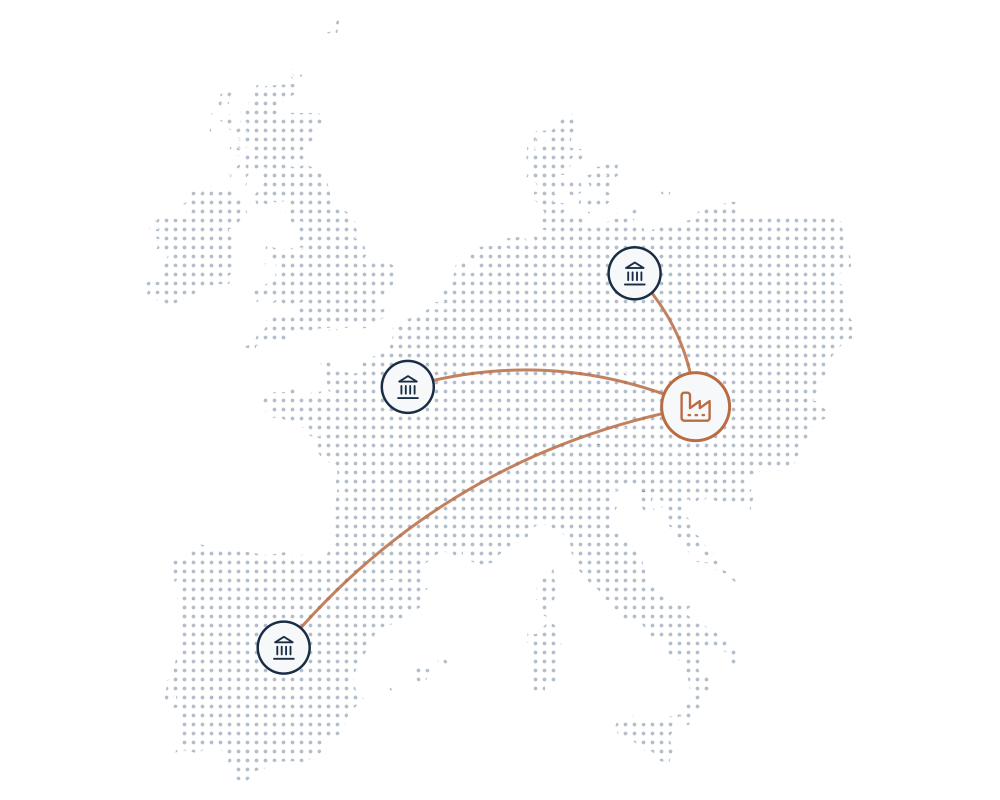
Dotted map of Europe: a company at the centre is connected to three public authorities.

Less time searching. Focus on what matters.

Narrow down relevant tenders, decide on your bid effort with procurement context and get notified of relevant changes.

Determine which tenders are relevant to you.

Instead of weeding out unsuitable matches one by one: when you start, simply describe your services in your own words, and the AI onboarding suggests matching categories. Combine regions, places of performance, languages and value limits, and specifically exclude what does not fit, including particular buyers.

Relevance and filters at a glance →

Decide how much effort you want to invest in a bid.

Decide how much effort you want to invest in a bid on the basis of previous awards, award criteria and comparable contract values. You can see in advance whether a buyer regularly engages new suppliers, how price and quality were weighted and within what range comparable lots fell.

Insight into procurement analysis →

See when you need to reassess a tender.

Get notified of relevant deadline changes, corrections and awards instead of checking manually again and again. You set your relevance threshold and follow the tenders, buyers and suppliers whose publications matter to you.

See alerts and follows →

Align your tendering work with verifiable insights.

Whether as a bidding company, in consultancy, as an information provider or as a public buyer exploring the market: use connected procurement information instead of building your assessment from individual notices.

Decide which buyers you want to target.

Use previous purchases, lot sizes and contract durations to decide which buyers you want to look at more closely for your business development. Place current tenders within this procurement profile.

For companies in detail →

Substantiate your market approach and your recommendations.

Base your market approach on which services are awarded in your target regions, what contract sizes occur and how awards are distributed among companies. Base your recommendations on verifiable procurement comparisons, with the underlying awards and notices as evidence.

Market & mandate analysis →

Extend information services with linked procurement data.

In your analyses and sector reports, explain not just individual awards but the connections behind them. Use consolidated organisation profiles, linked procedure histories and verifiable market indicators as your basis.

Data room & collaboration →

In DefAgora, tenders get a data room and an identity.

PDF, XML and free text become a standardised dataset, linked across years and national borders. The reference grid safeguards quality, from the individual notice to market statistics.

Consolidated profiles of buyers and suppliers.

Compare previous awards without having to gather publications under different organisation names yourself. DefAgora consolidates buyers and companies across spellings and links prior information notices, tenders, changes and awards. This lets you trace which companies have received awards from which buyers.

Data foundation and sources in detail →

Buyer relationships and framework agreements over time.

Across regions and borders, you can see who wins with whom, how consortia bid and when active framework agreements are due to expire. Whether an end date is reported, calculated or estimated is shown directly on the contract.

Expiring contracts & early signals →

Tap into the public procurement market in a structured way.

Set it up once, get notified when it is relevant: enter your profile, your regions and your relevance threshold with the help of the AI-assisted onboarding, or discuss your use case directly.